Why Taj Mahal Quartzite is popular for luxury kitchens
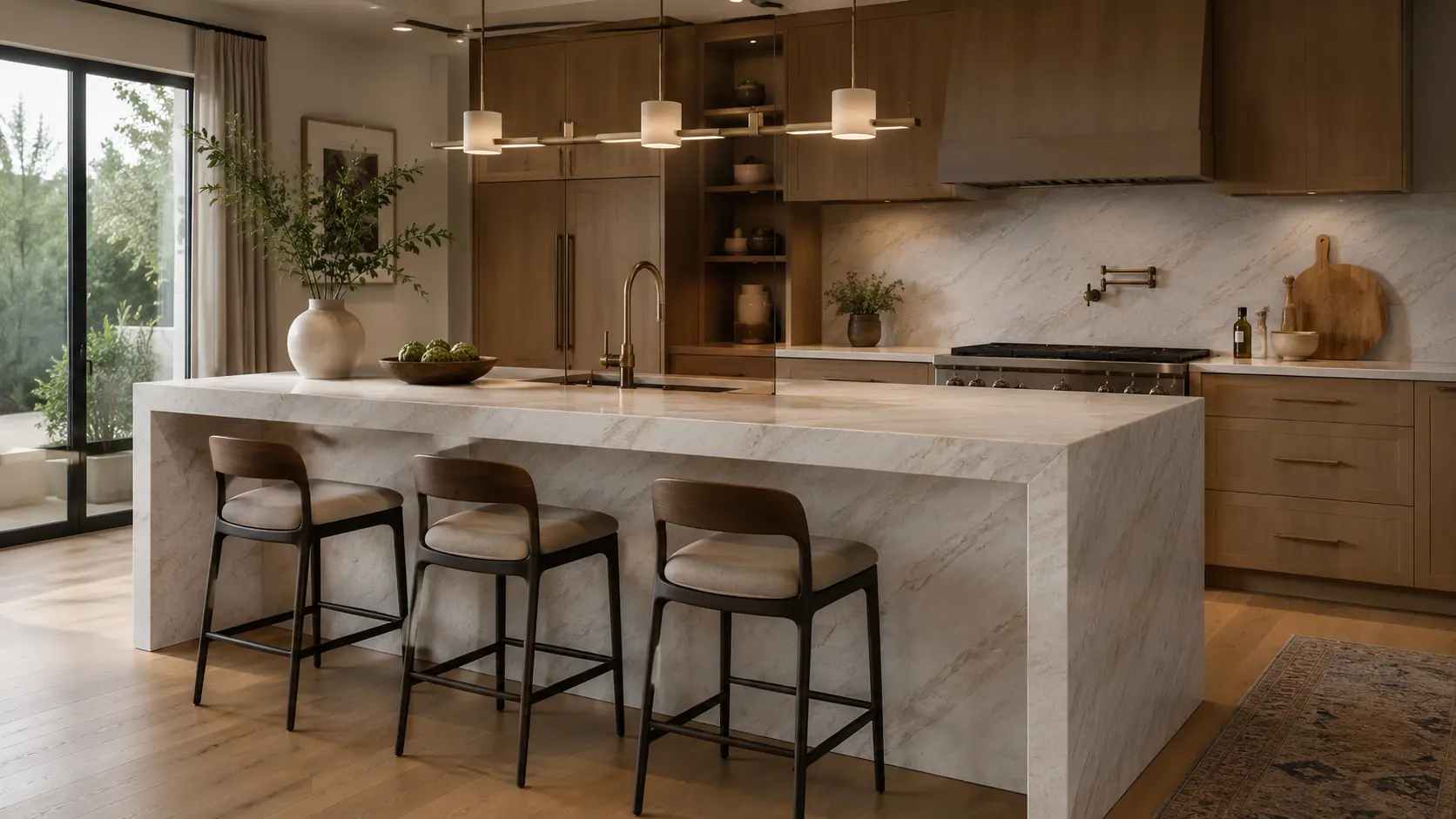
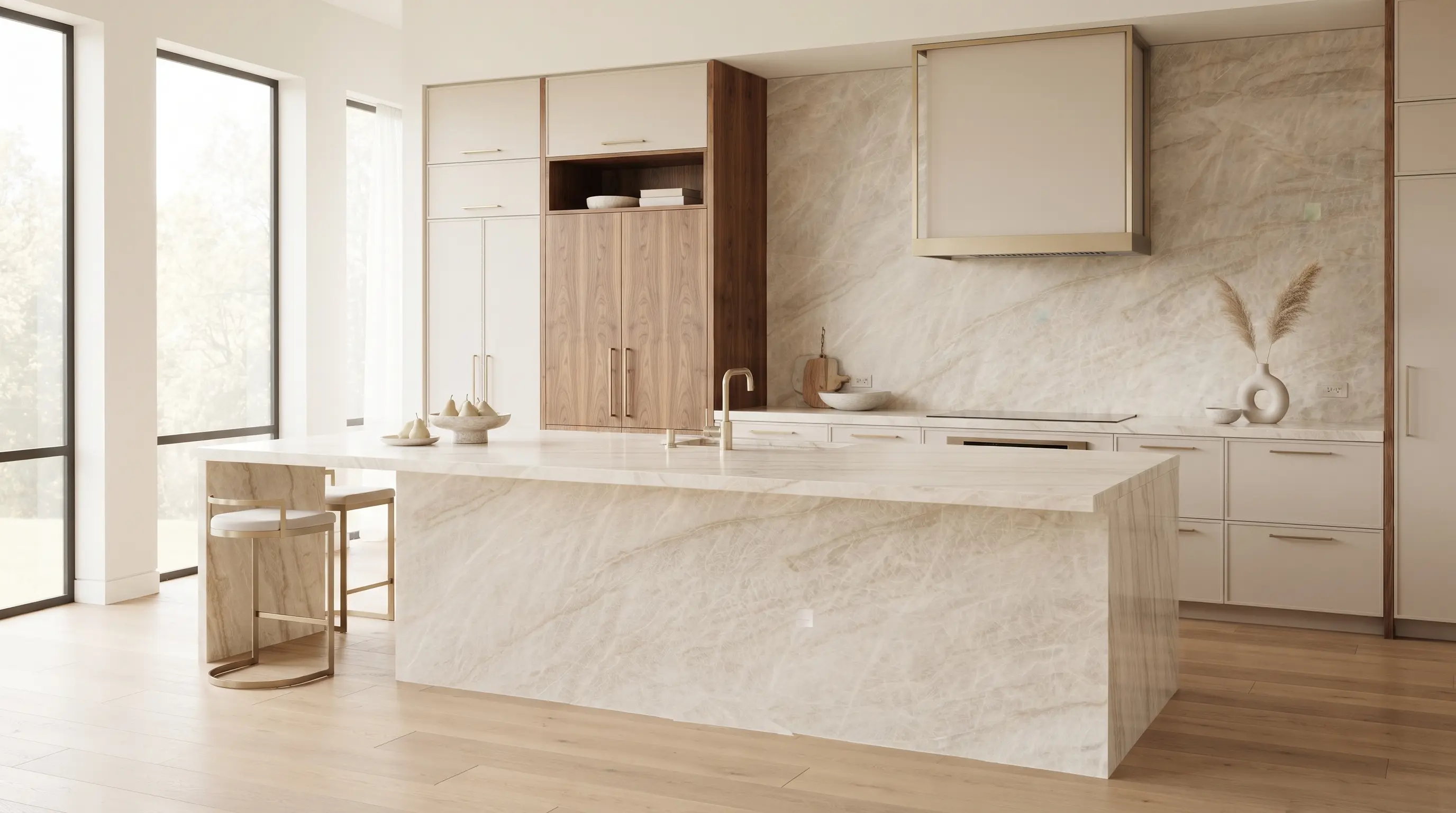
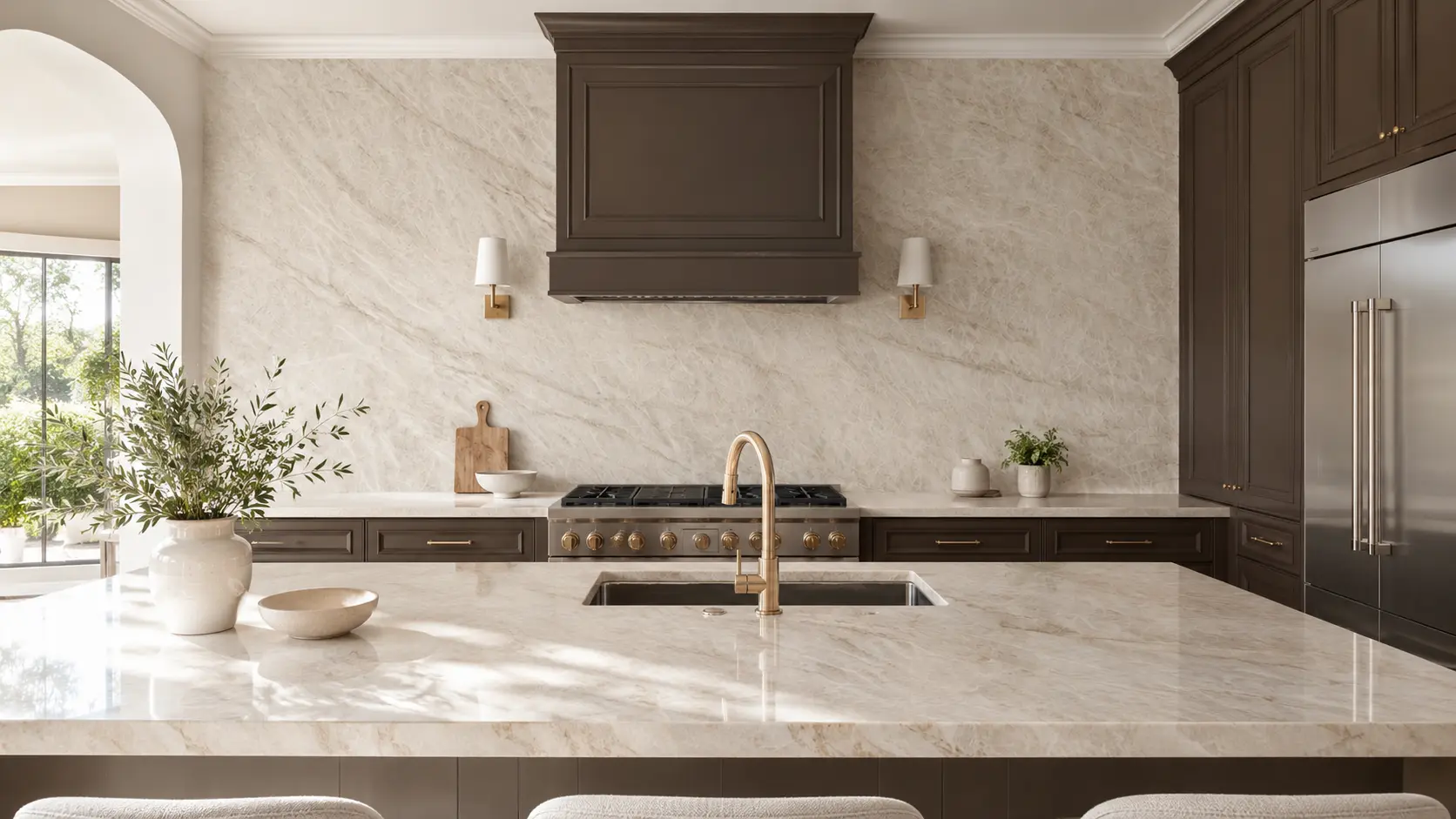
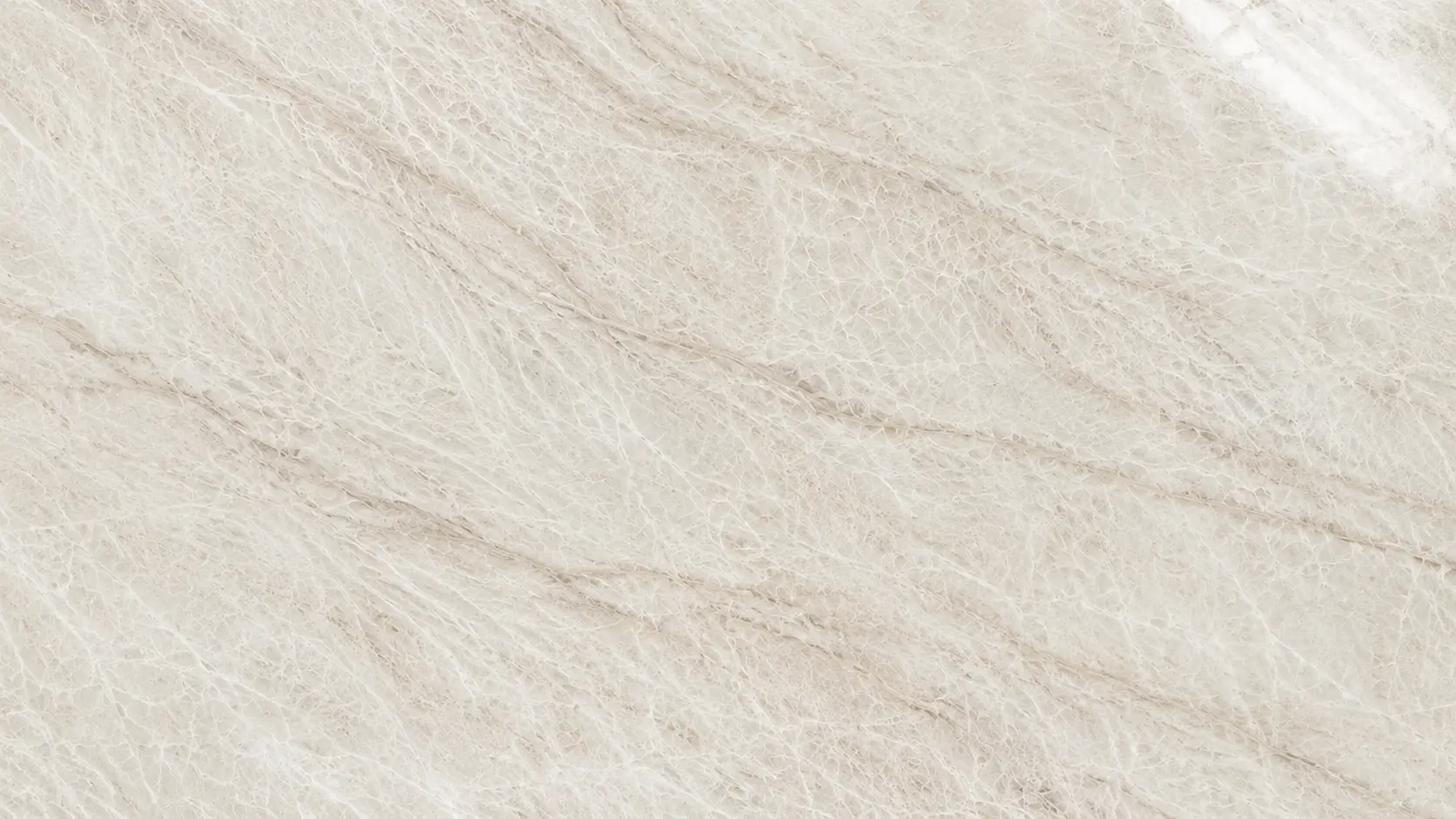
Taj Mahal Quartzite has become one of the most requested natural stones for warm luxury kitchens because it balances a creamy white and ivory base with beige, taupe, light gold, and soft coffee movement. The result feels refined without the cold gray tone that some white marbles can bring into a space.
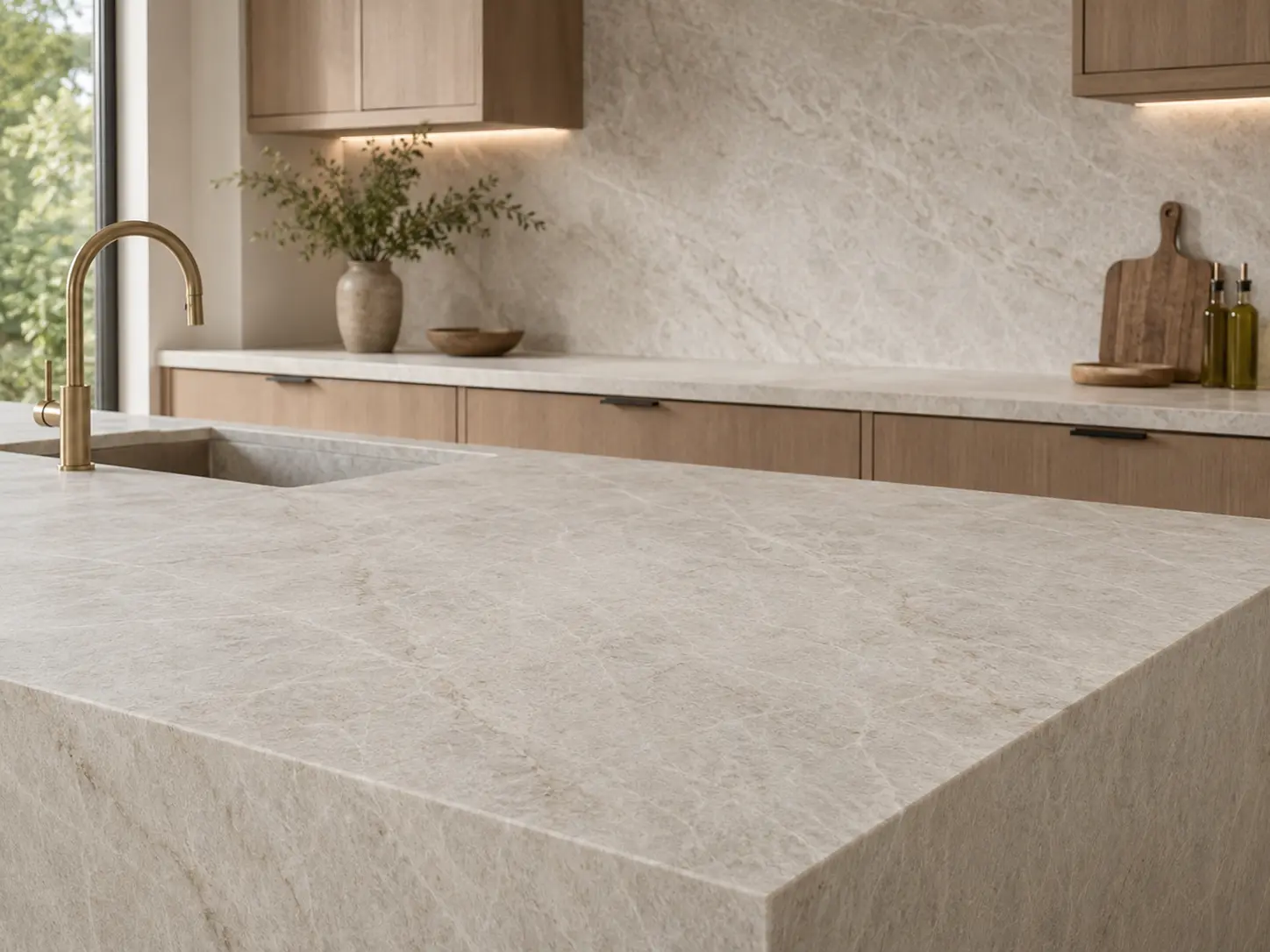
For homeowners, designers, fabricators, and importers, the appeal is not only visual. True natural quartzite is typically harder and more kitchen-ready than marble, while still giving a soft marble-like appearance. That is why it is often selected for kitchen islands, countertops, full-height backsplashes, waterfall sides, vanity tops, and feature walls.
What is Taj Mahal Quartzite?
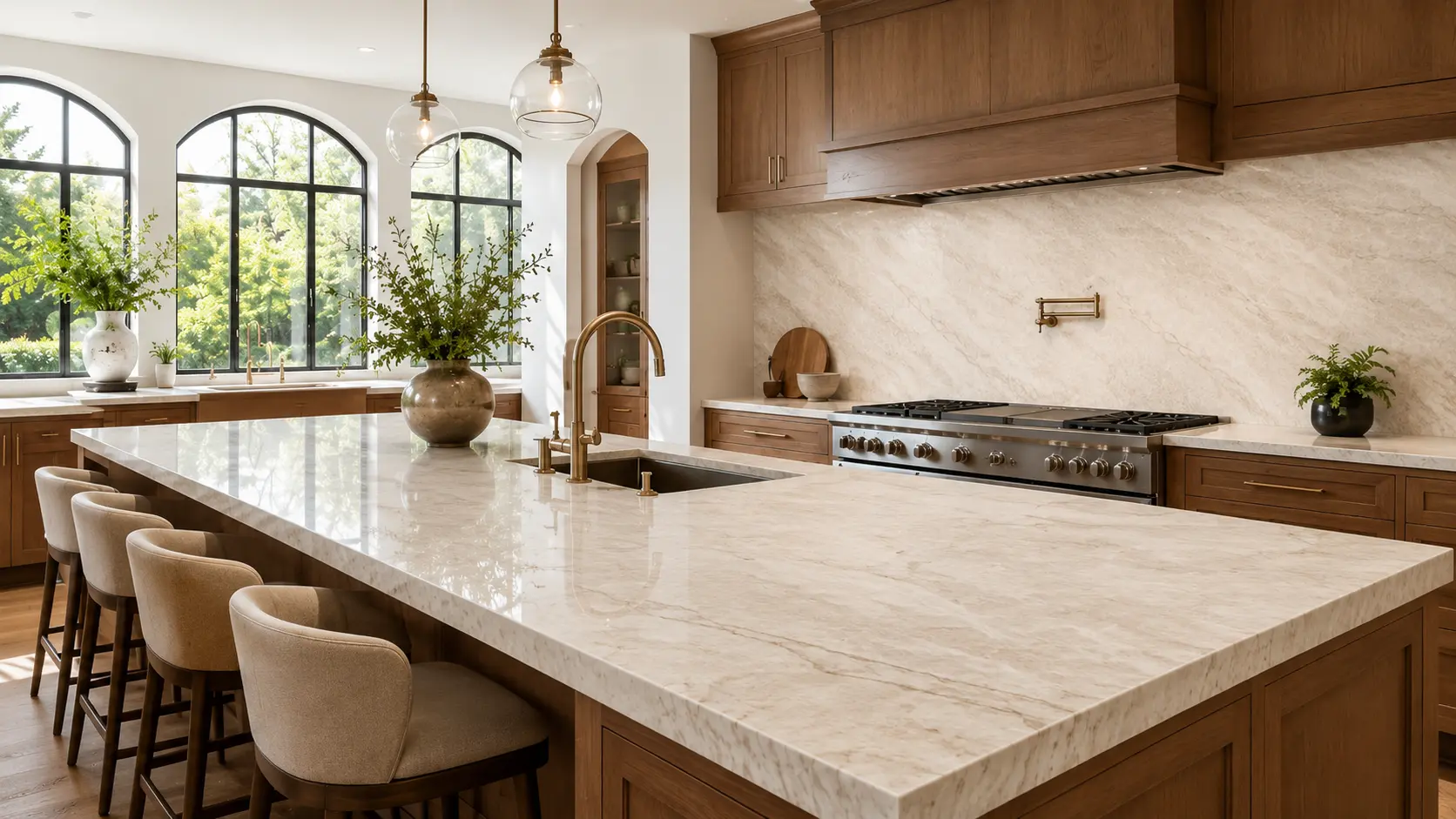
Taj Mahal Quartzite is a natural quartzite, not engineered quartz. It is cut from real stone blocks, processed into slabs, and then selected by lot, size, finish, thickness, and movement. Because it is natural stone, no two slabs are identical.
Typical colors include creamy white, warm ivory, beige, taupe, light gold, and soft coffee tones. The veining is usually flowing and layered rather than sharply contrasted, which makes the material suitable for white cabinetry, oak or walnut cabinetry, champagne hardware, and organic modern interiors.
Quick answer: is Taj Mahal Quartzite good for kitchen countertops?
Yes. Taj Mahal Quartzite is a strong choice for luxury kitchen countertops because it combines a warm marble-like appearance with the durability of natural quartzite. It is still a premium natural stone, so buyers should confirm current slab photos, sealing expectations, finish choice, fabrication details, and updated sizes before ordering.
| Factor | What buyers should know |
|---|---|
| Appearance | Warm ivory, beige, taupe, and light gold movement for refined kitchens. |
| Hardness | True quartzite is generally harder than marble and suitable for active kitchen use. |
| Heat resistance | High compared with many surfacing materials, but trivets are still recommended. |
| Maintenance | Needs proper sealing, mild cleaning, and sensible daily care. |
| Best buyer fit | Clients who want natural movement, premium positioning, and current slab selection. |
Pros of Taj Mahal Quartzite countertops
The main advantage is its warm, elegant design language. It gives kitchens a marble-like feeling without becoming too cold or too gray. It also suits high-value surfaces such as waterfall islands, full-height backsplashes, bookmatched walls, and villa kitchen countertops.
- Elegant marble-like look with a warmer tone.
- Good scratch resistance when the material is true natural quartzite.
- Strong heat resistance for everyday kitchen areas when used with proper care.
- Unique slab movement that supports premium one-of-one projects.
- Higher-end market positioning for Brazilian natural quartzite, slab supply, and custom fabrication.
Cons and buyer cautions
Taj Mahal Quartzite is not a low-price material and should not be sold like common granite or standard engineered quartz. Price, appearance, and availability can change by quarry block, bundle, slab grade, finish, and thickness. Honed surfaces can also require more careful sealing and cleaning than polished surfaces.
- Higher price than common granite or many engineered quartz options.
- Needs sealing and proper daily cleaning because it is natural stone.
- Slab variation can be large, so current lot photos matter.
- Honed finishes may show oils or staining more easily if not sealed correctly.
- Professional fabrication is important for seams, edges, cutouts, and vein layout.
Honed vs polished Taj Mahal Quartzite
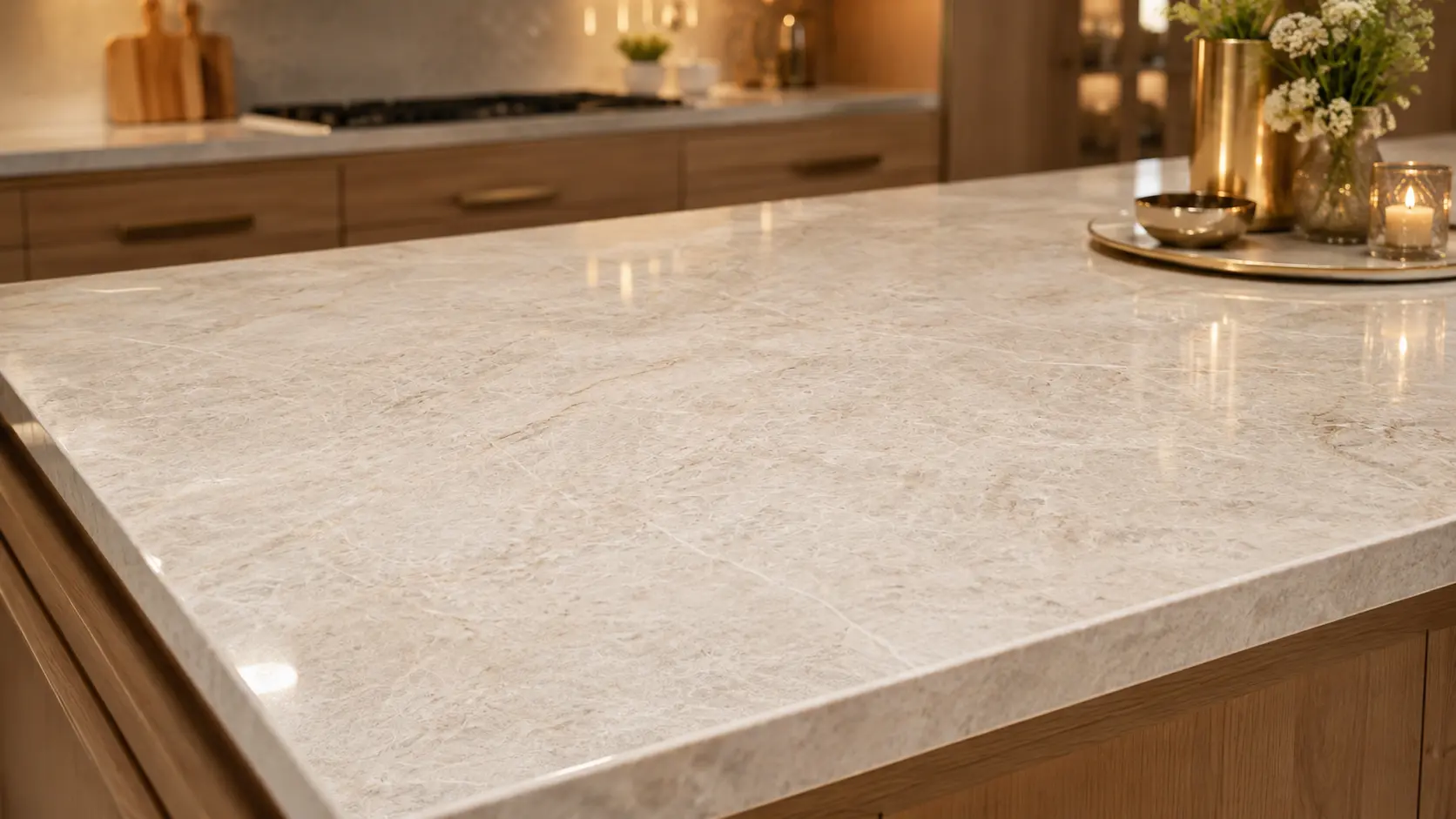
Polished Taj Mahal Quartzite is glossy, reflective, and often makes beige and gold movement look stronger. Honed Taj Mahal Quartzite is softer, matte, and more understated. Both can work beautifully, but they serve different design goals and maintenance expectations.
We only label a slab honed when the finish is confirmed. If you need honed Taj Mahal Quartzite, ask for current honed lot photos before ordering.
| Comparison | Polished | Honed |
|---|---|---|
| Visual effect | Bright, reflective, and formal. | Soft, matte, and natural. |
| Vein appearance | Veins appear clearer and deeper. | Movement looks more diffused. |
| Lighting | Helps brighten kitchens and showrooms. | Reduces glare in strong natural light. |
| Cleaning feel | Often easier to wipe visually. | Needs careful sealing and oil control. |
| Best use | Luxury kitchens, hotel-style spaces, display projects. | Organic modern, minimalist, calm kitchens. |
How to identify real Taj Mahal Quartzite
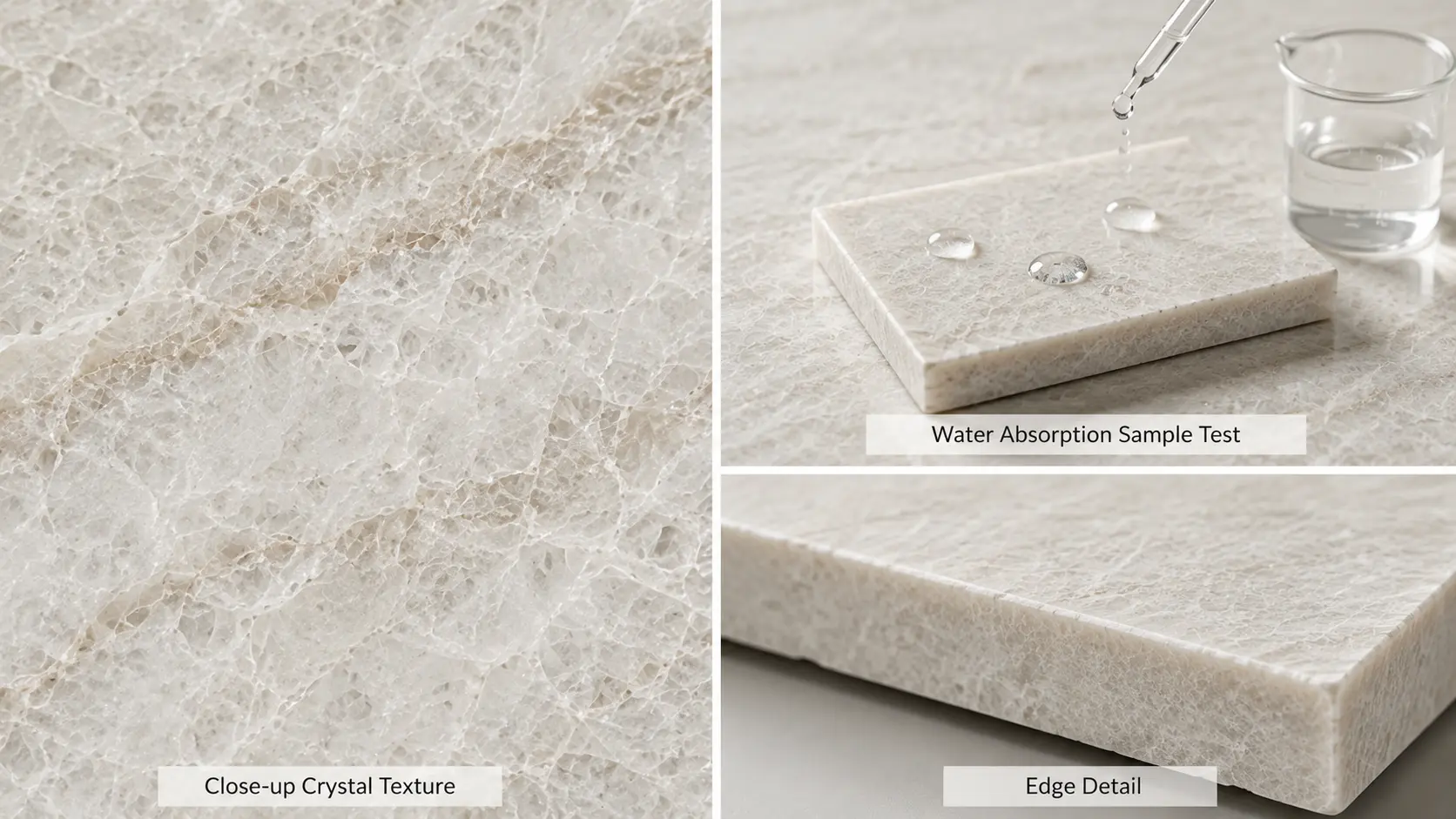
The safest way to buy Taj Mahal Quartzite is to request current slab photos, bundle numbers, size, thickness, finish, close-up texture videos, wet and dry photos, edge details, and back side photos. True quartzite normally has a dense crystalline look instead of a powdery or sandy surface.
- Ask for current slab photos and bundle numbers.
- Check close-up texture for crystalline movement.
- Use sample-only water absorption checks when needed.
- Only perform scratch or acid checks on sample pieces, never finished countertops.
- Confirm whether the material is true quartzite, soft quartzite, dolomitic marble, or a commercial naming mix.
Taj Mahal Quartzite price factors in 2026
Instead of relying on one fixed online price, buyers should compare the total project requirement. Slab material price, cut-to-size fabrication, edge profiles, sink cutouts, bookmatch layout, packing, ocean freight, and local installation all affect the final cost.
Request current slab photos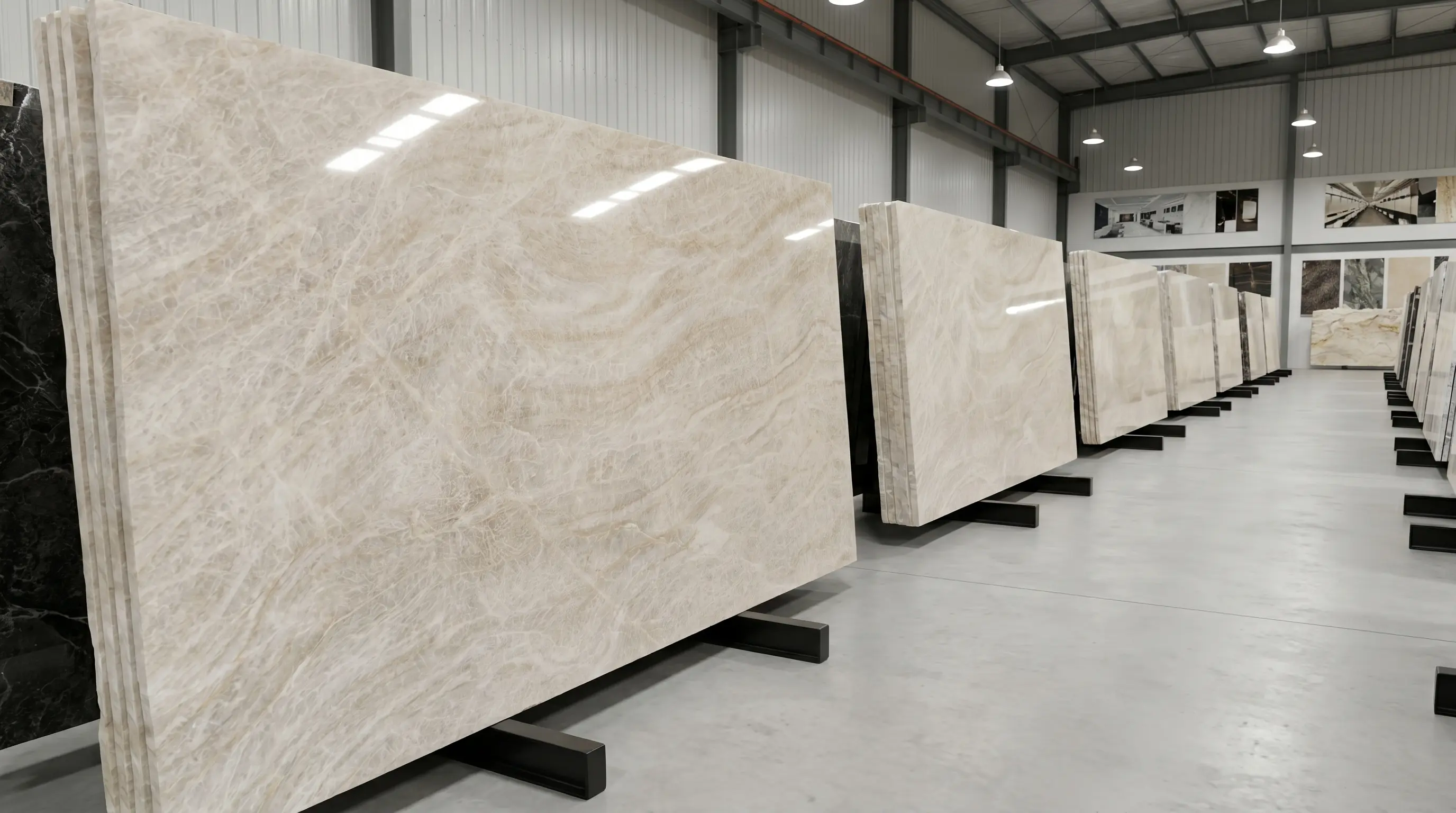
| Price factor | Why it matters |
|---|---|
| Slab origin and grade | Color, block yield, movement, and availability affect selection cost. |
| Thickness | 20mm and 30mm slabs have different material and handling requirements. |
| Finish | Polished, honed, brushed, or leathered finishes may change processing cost. |
| Fabrication | Waterfall sides, sink cutouts, edge profiles, and CNC work affect pricing. |
| Packing and shipping | Export wooden crates, loading support, and container planning affect landed cost. |
Factory supply process: from blocks to finished countertops
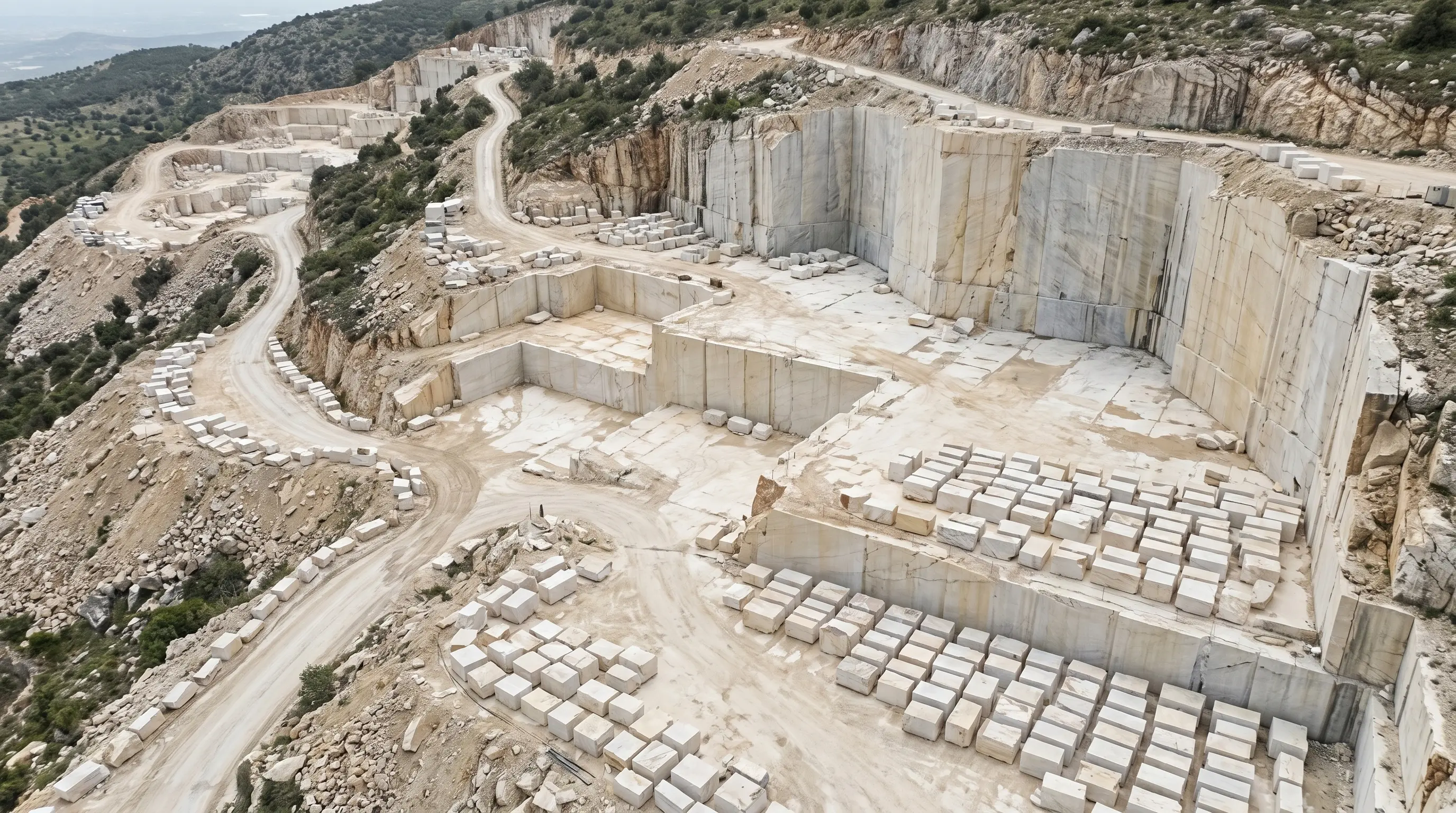
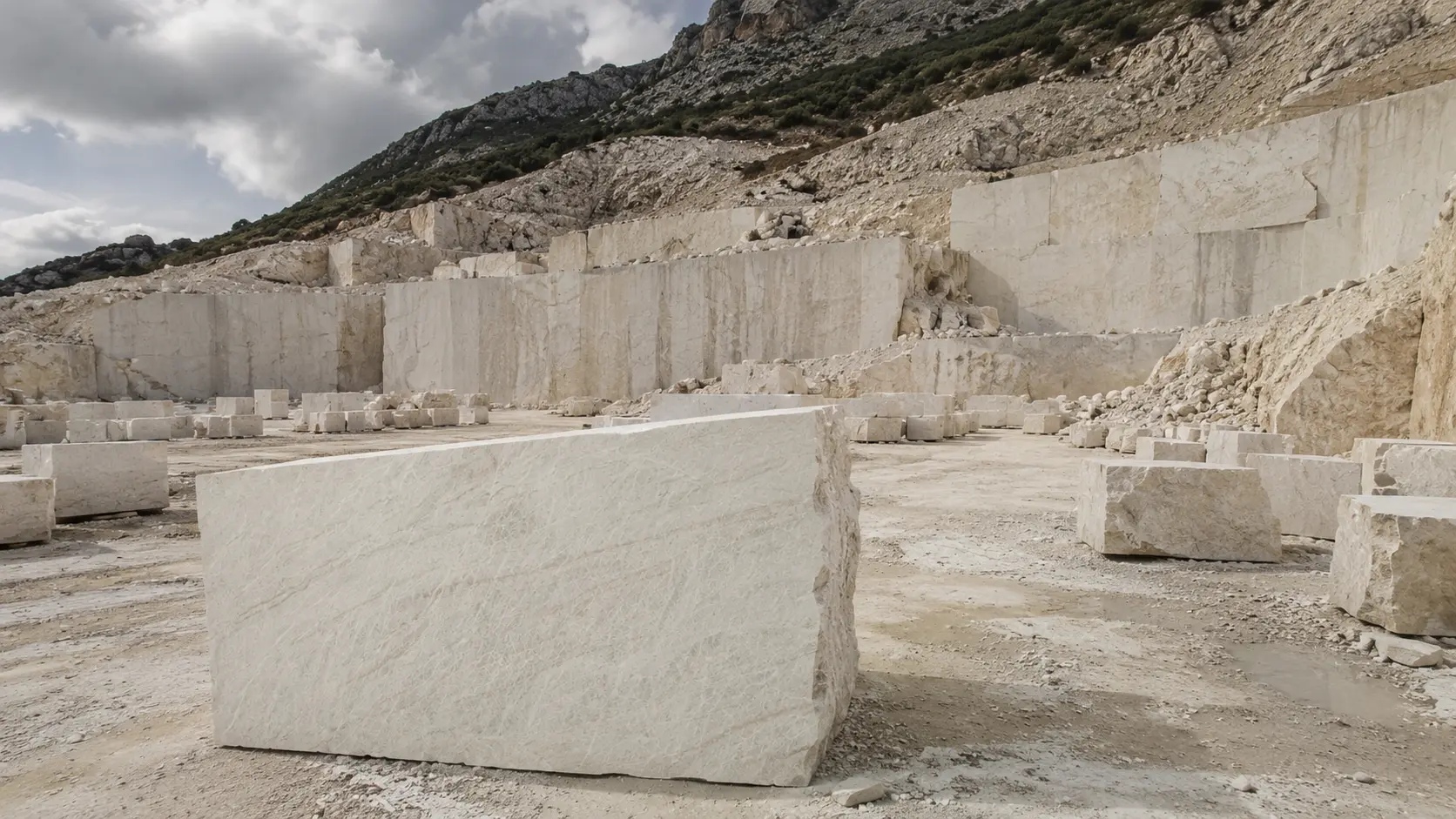
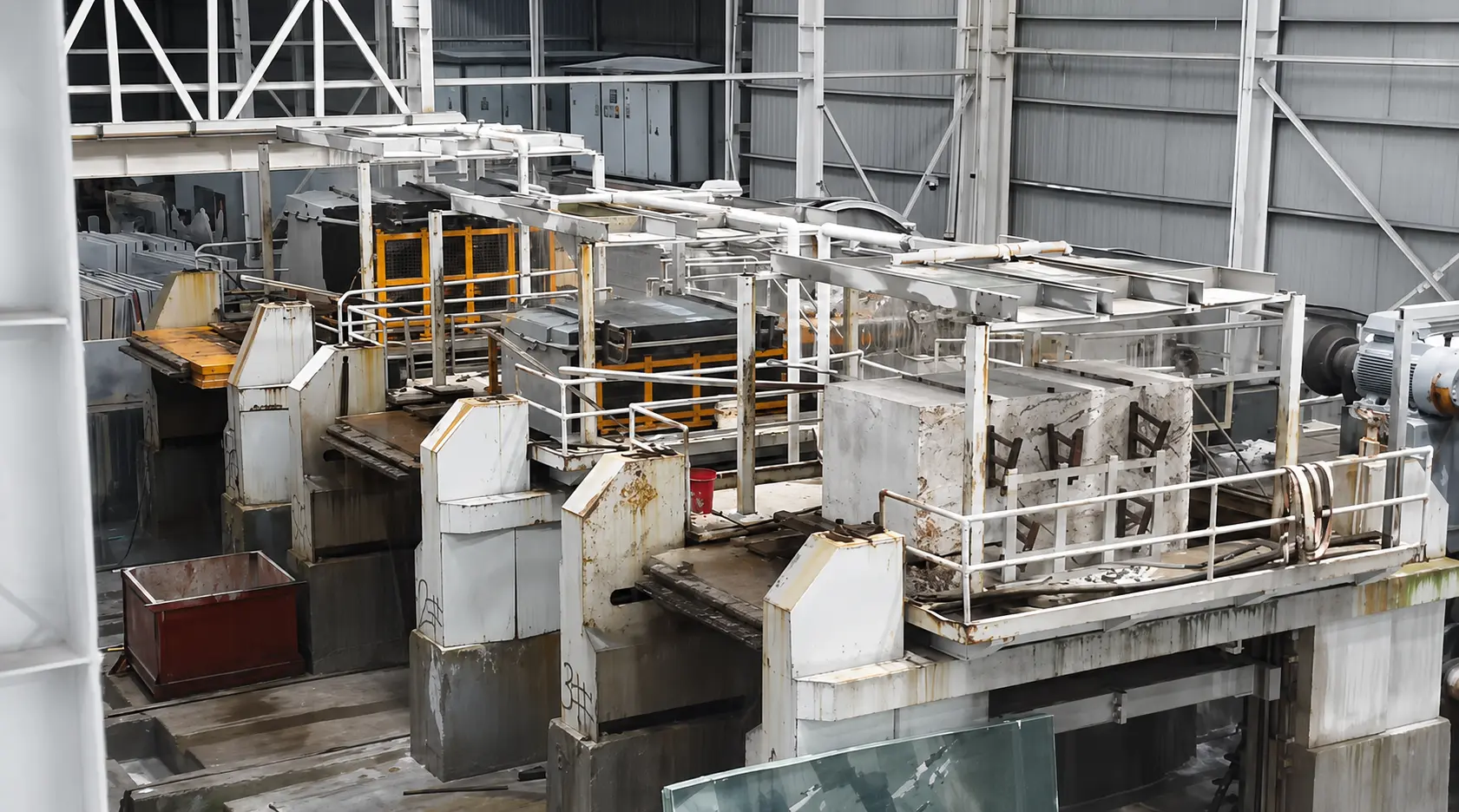
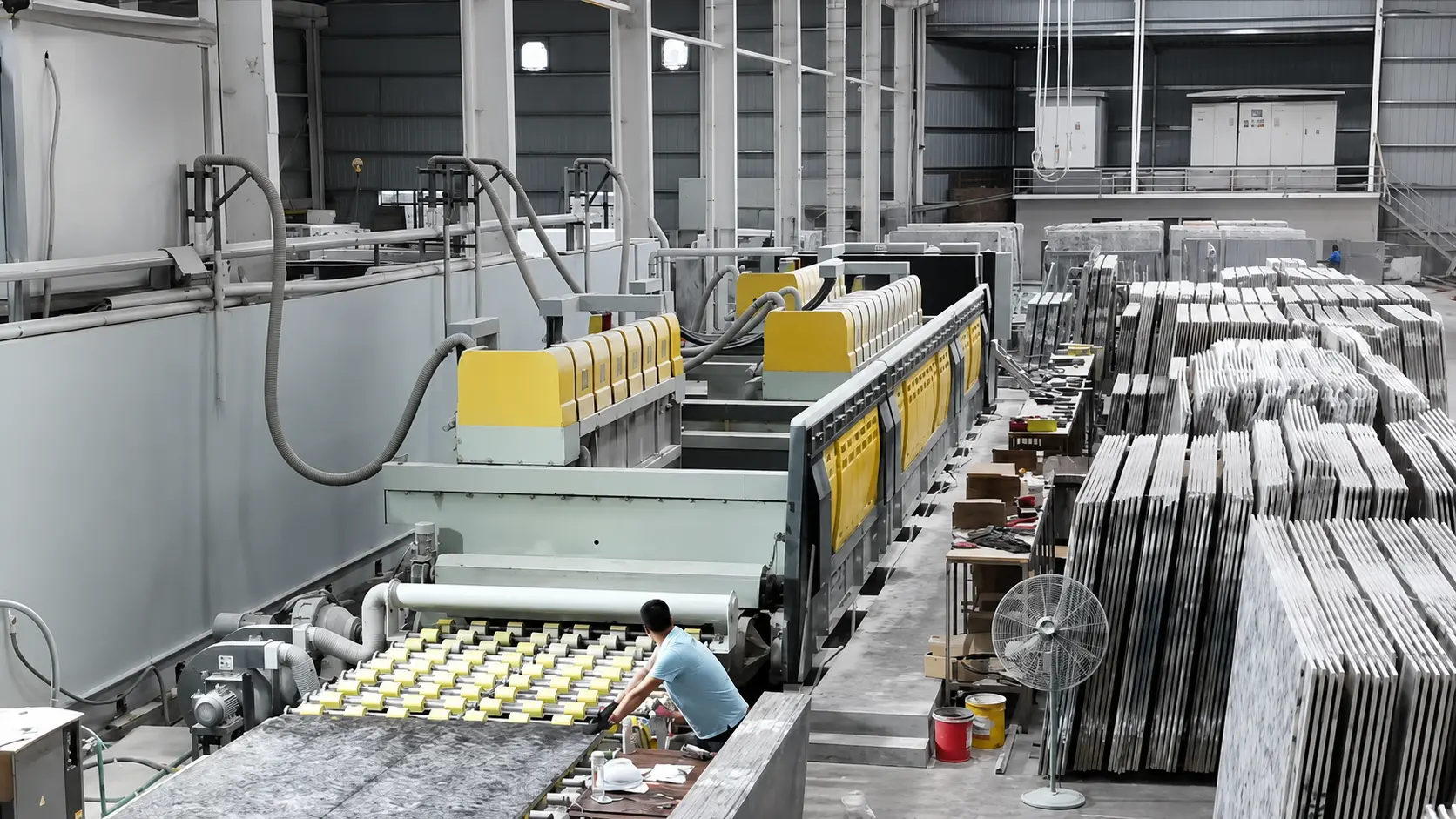
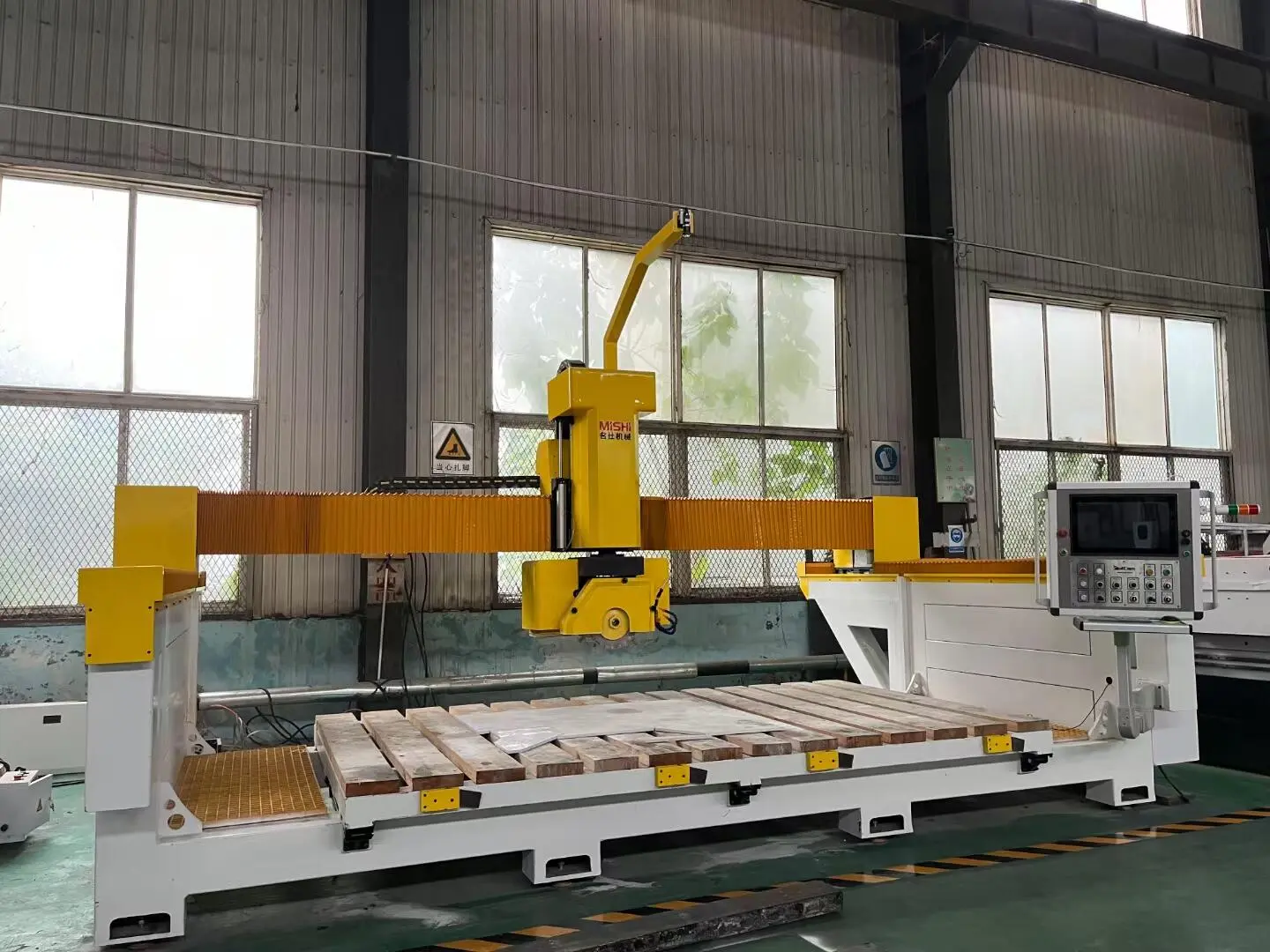
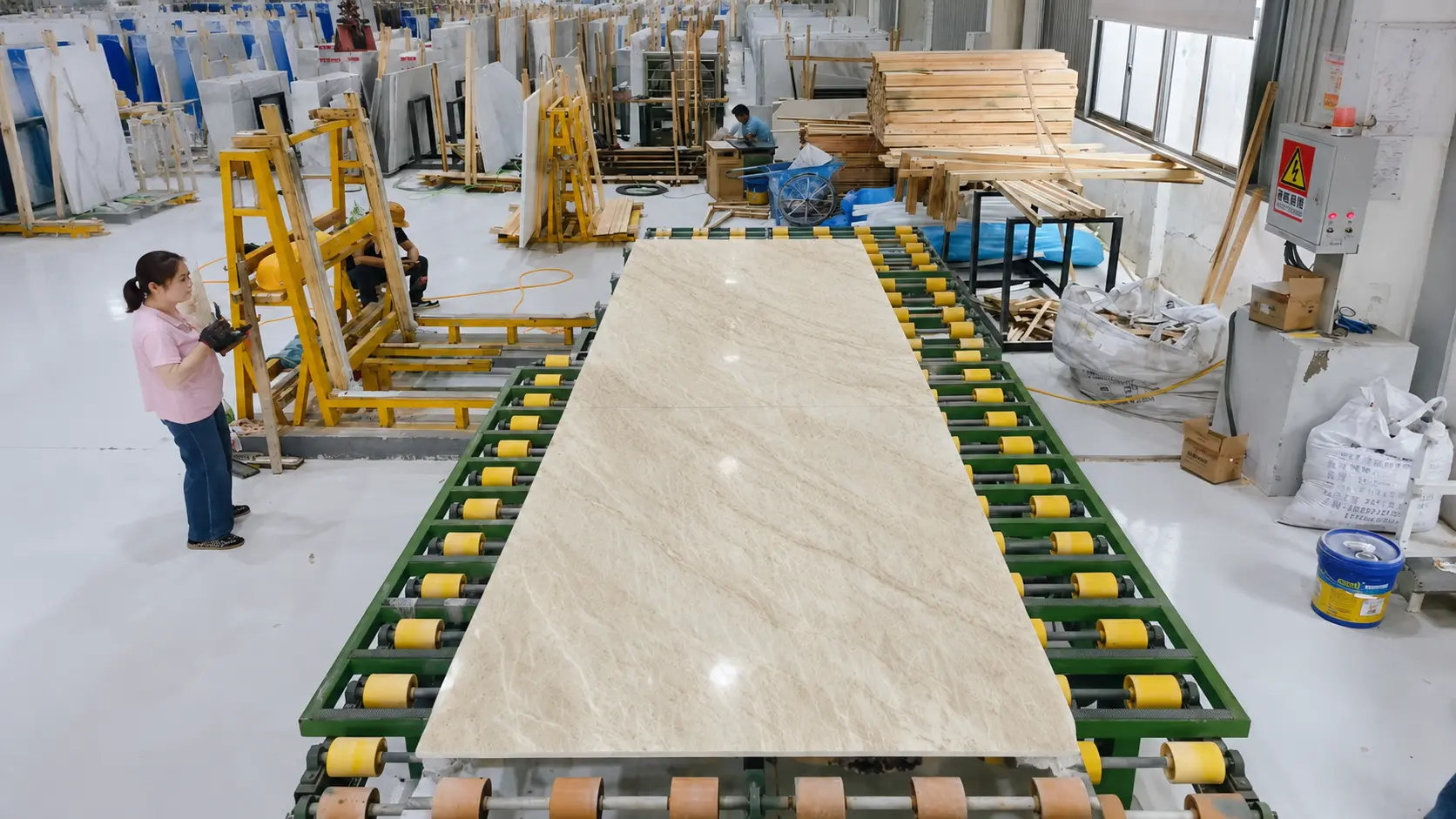
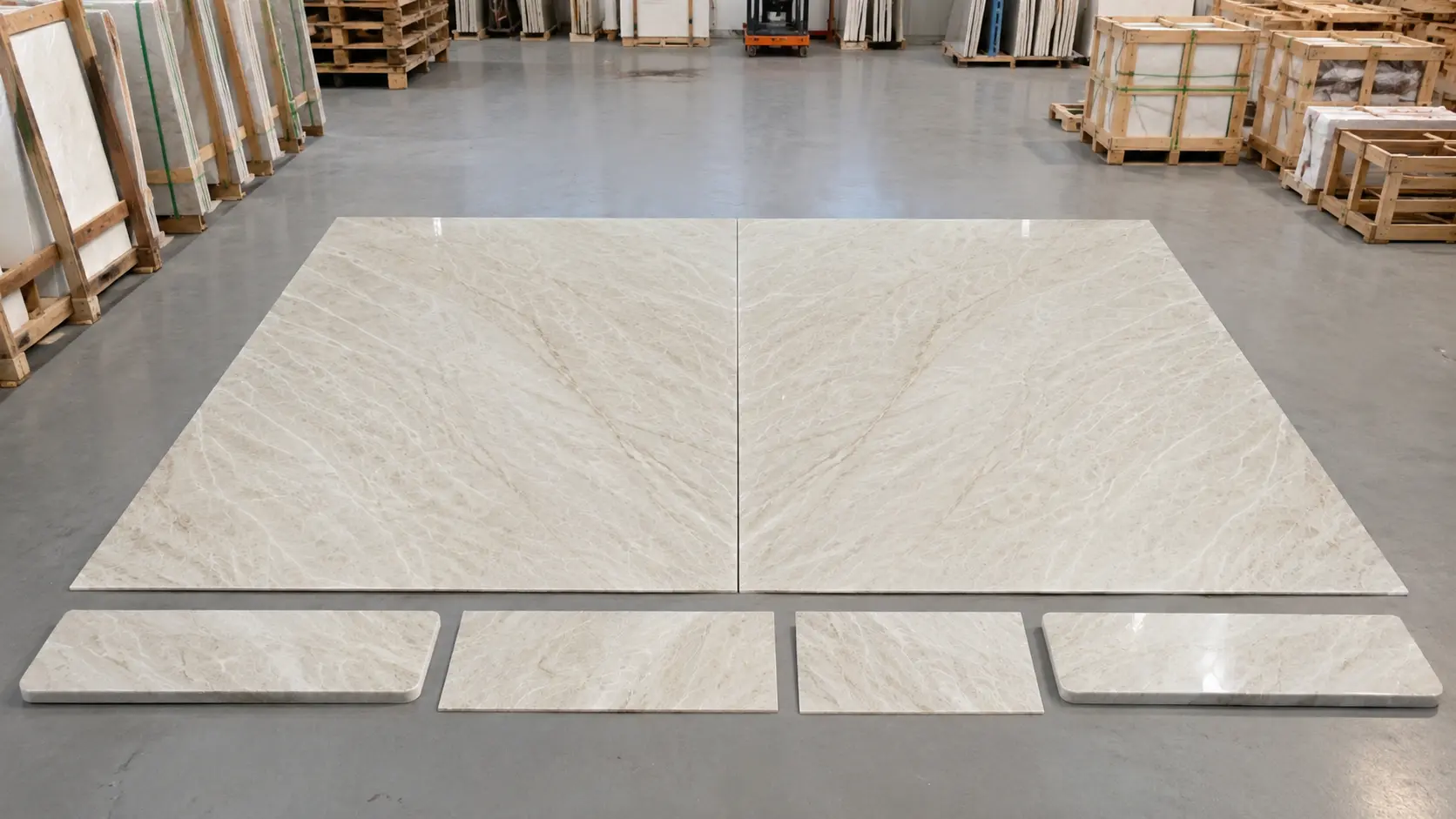
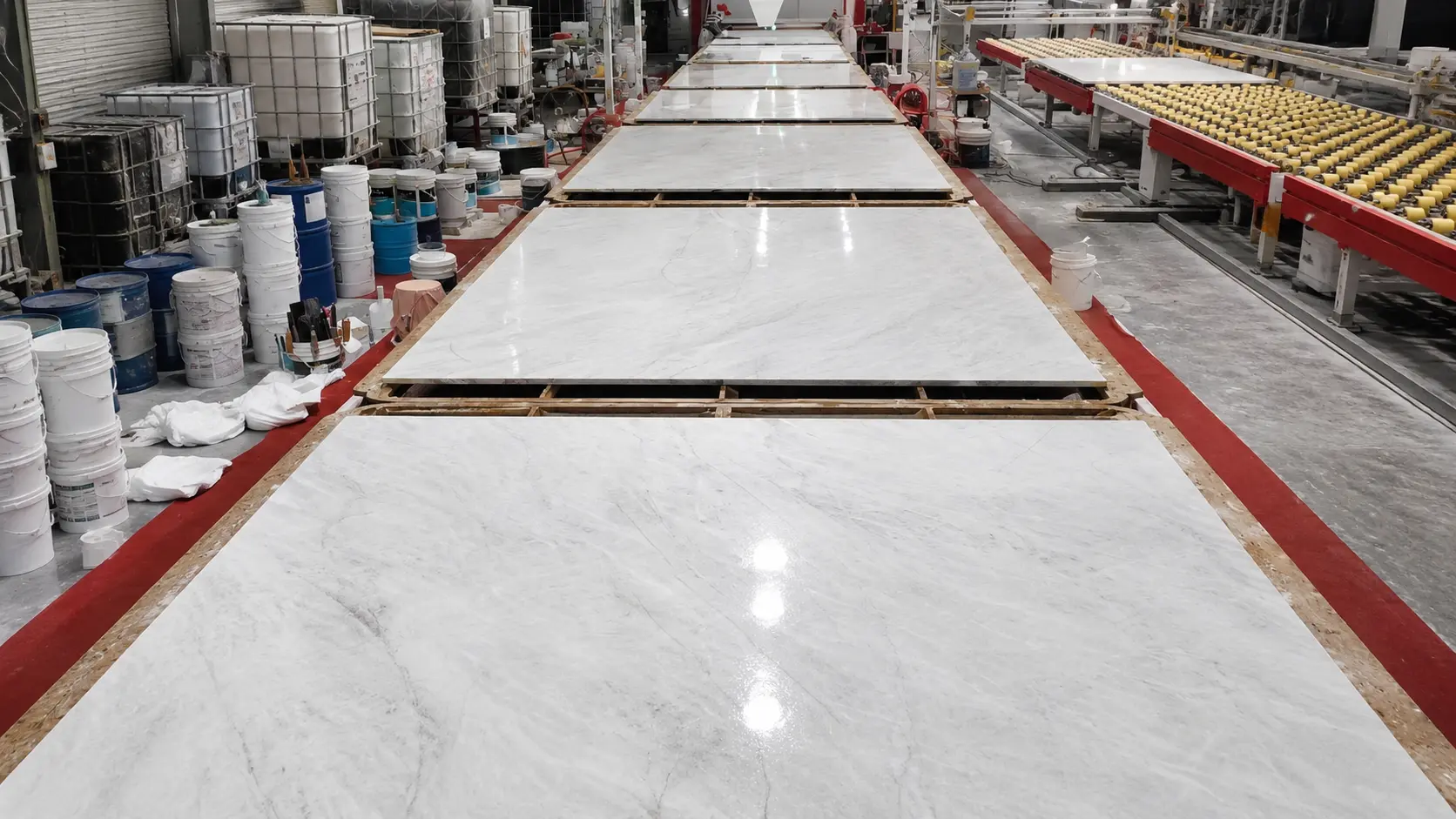
For export projects, the buying process is stronger when the supplier can support block selection, slab cutting, surface finishing, CNC fabrication, dry layout, inspection, packing, and loading. This helps importers, fabricators, and project buyers confirm the material before money is tied up in production.
Design ideas for Taj Mahal Quartzite kitchens
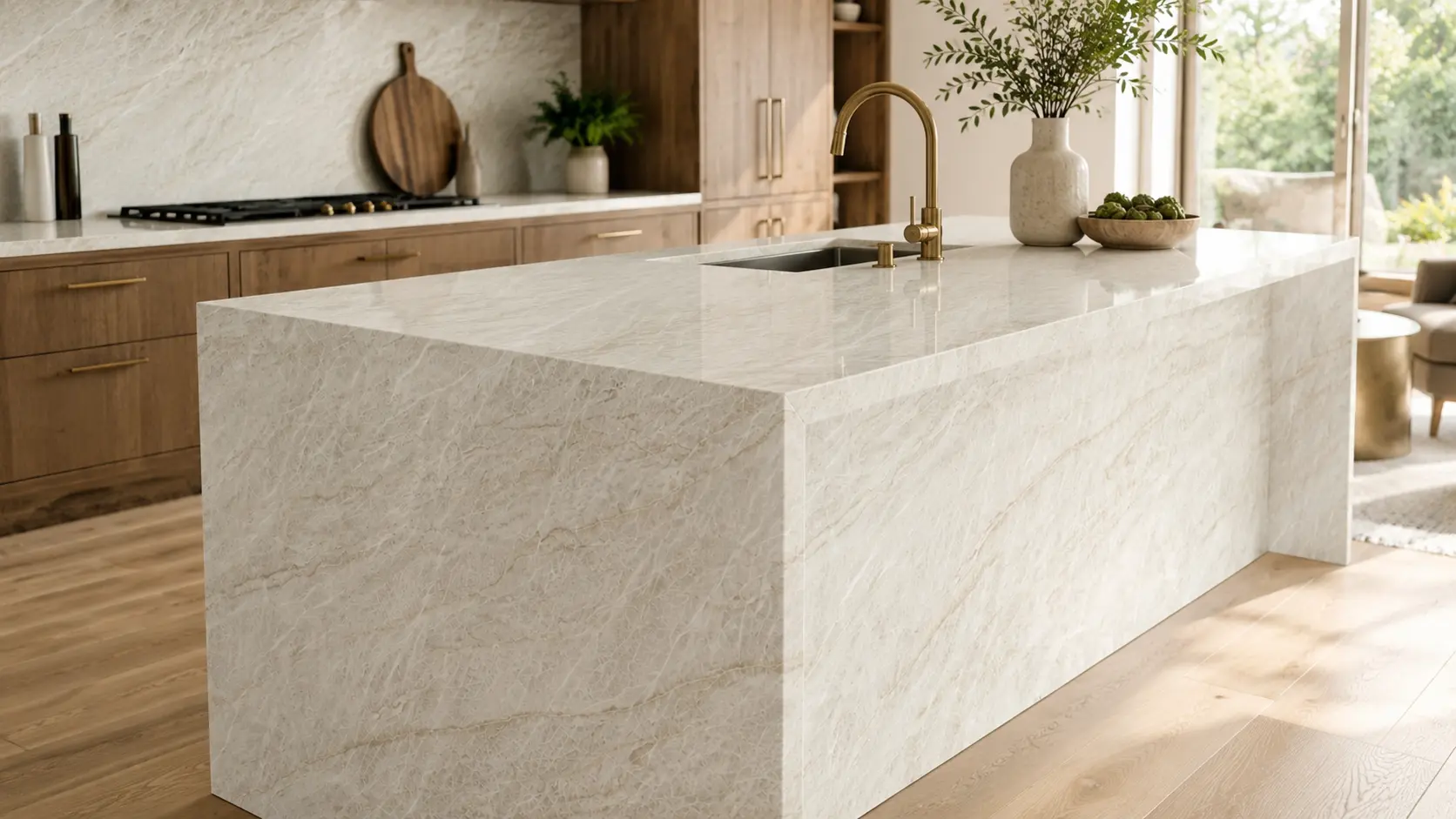
The most effective applications use larger surfaces where the soft movement can be read clearly. Waterfall islands, full-height backsplashes, bookmatched dry layouts, and matching countertop-to-vanity programs are all strong ways to show the value of the slab.
Maintenance guide for Taj Mahal Quartzite countertops
Daily care should be simple: mild soap, warm water, and a microfiber cloth. Wipe oil, wine, coffee, lemon juice, and acidic spills quickly. Avoid vinegar, lemon cleaner, bleach, ammonia, abrasive pads, and dragging heavy cookware across the surface.
- Seal the stone before or after installation according to the fabricator recommendation.
- Reseal based on use, finish, and water-bead performance.
- Use cutting boards even though quartzite is hard.
- Use trivets to protect the stone, the sealer, and nearby seams from thermal shock.
- Treat honed surfaces with extra care because matte finishes can reveal oils more quickly.
Is Taj Mahal Quartzite becoming outdated?
Because Taj Mahal Quartzite is highly visible in premium kitchens, some buyers now ask whether it is becoming overused. The better question is how to select the slab, cabinet colors, finish, backsplash, and fabrication details so the design feels intentional instead of copied.
Read the 2026 design guideHow TM Stone supports slab and countertop buyers
TM Stone supplies Natural Taj Mahal Quartzite slabs and Taj Mahal inspired quartz options for buyers who need current lot confirmation, project comparison, cut-to-size fabrication, and export-ready communication.
- For slab buyers: current slab photos, bundle selection, thickness confirmation, and container loading support.
- For countertop buyers: cut-to-size countertops, islands, backsplashes, vanity tops, stair pieces, and wall panels from drawings.
- For designers and project teams: visual references, finish guidance, dry layout support, and quotation based on real requirements.